When I talk with new hoodie brand owners, one thing comes up again and again:
“The quote is much higher than I expected.”
In most cases, the issue isn’t that the factory is expensive — it’s that hoodie production costs are misunderstood. Many buyers focus only on the final unit price, without realizing how many variables sit behind it. Fabric, labor, MOQ, development work, branding details, and logistics all quietly stack up.
From my experience manufacturing hoodies for overseas brands, I can confidently say this: there is no single “hoodie price.” There is only a cost structure.
Fabric Choice Is the Biggest Cost Driver
Bottom line up front:
If you understand fabric, you already understand more than 50% of your hoodie cost.
In hoodie manufacturing, fabric typically accounts for 50–65% of the total production cost. That means even small changes in fabric type or specification can have a bigger impact on price than most branding or printing decisions.
1. Fabric Type: Cotton, Polyester, or Blends
The first decision that affects cost is the fiber composition:
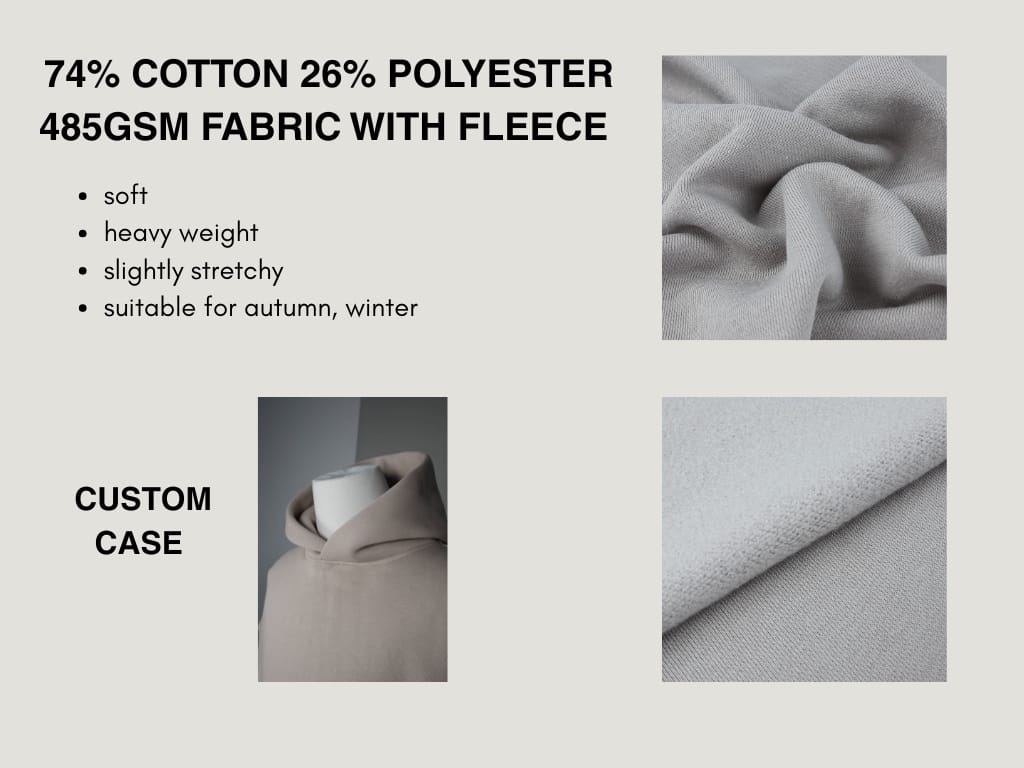
- 100% Cotton
- Softer hand feel, better breathability
- Higher cost, especially for combed or long-staple cotton
- More shrinkage risk if not pre-treated
- Polyester
- Lower raw material cost
- Better color consistency and durability
- Less premium feel for lifestyle brands
- Cotton-Poly Blends (e.g. 80/20, 65/35)
- Most common for commercial hoodies
- Balanced cost, durability, and comfort
- Easier for bulk production and color control
From a factory perspective, blends often give the best cost-performance ratio, especially for new brands. Learn more about hoodie fabrics in our another article.
2. How Fabric Weight (GSM) Directly Affects Fabric Price
GSM (grams per square meter) directly affects both cost and perception.
Typical hoodie ranges:
- 280–320 GSM: lightweight, cost-controlled
- 330–360 GSM: mainstream mid-weight
- 380–420 GSM: heavy streetwear or premium feel
Under the same fabric composition, GSM increase has a very clear cost rule in most Chinese fabric markets:
- For the same composition,
every +30 GSM increases fabric price by about USD 0.46 per meter
This means “heavier hoodie” is not just a design decision — it is a linear cost increase.
Real examples (100% cotton, French terry):
- 350 GSM cotton French terry: ~ USD 5.9 / meter
- 380 GSM cotton French terry: ~ USD 6.4 / meter
That 30 GSM difference alone already adds USD 0.5 per meter, before any sewing, printing, or shipping happens.
For a hoodie that consumes around 1.6–1.8 meters meters per piece, this translates into a USD 0.80–0.90 increase per hoodie, just from fabric weight.
Many buyers want “heavy hoodies” without realizing that GSM increases compound costs across the entire supply chain, not just fabric.
3. Brushed Fleece vs French Terry: Same GSM, Different Cost
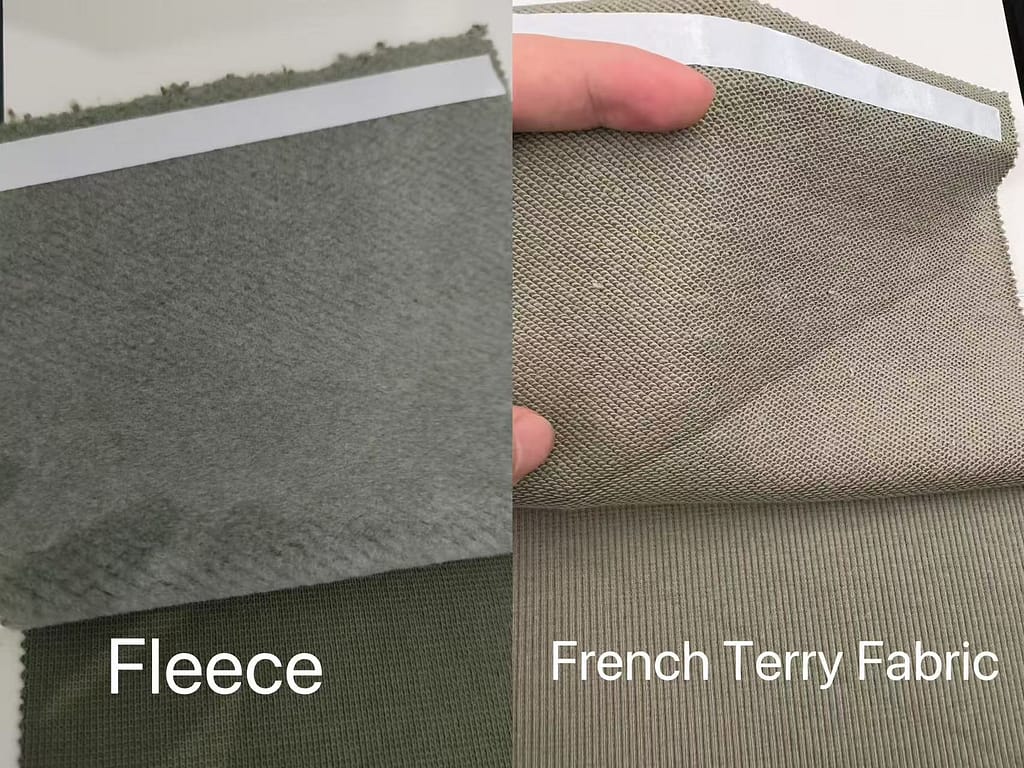
Two hoodies with the same GSM can have very different prices depending on fleece construction:
- French Terry
- Loop-back interior
- Cleaner look, lower brushing cost
- Popular for mid-season hoodies
- Brushed Fleece
- Softer, warmer interior
- Additional brushing process = higher cost
- Higher shedding risk if fabric quality is low
Another cost factor many buyers underestimate is fabric construction, especially fleece treatment.
Under the same GSM and same composition:
- Brushed fleece is typically USD 0.5 per meter more expensive than French terry
Example:
- 340 GSM 100% cotton brushed fleece: ~ USD 6.3 / meter
- Same GSM cotton French terry would be around USD 5.8 / meter
Why?
- Brushing is an additional mechanical process
- Higher quality control requirement
- Higher risk of pilling or shedding if done poorly
That “softer inside” feel always has a cost behind it.
4. Dyeing and Color Consistency Affect Cost Stability
Color is another hidden cost driver:
- Reactive dyeing
- Better colorfastness
- Higher chemical and processing cost
- Preferred for export brands
- Pigment dyeing
- Lower cost
- Vintage look
- Higher risk of color variation
Color Fastness: Cost per Kilogram, Not per Meter
Color treatment is another hidden fabric cost that shows up later if buyers don’t ask early.
- Color-fixed (colorfast) fabric
costs about USD 1 more per kilogram than regular fabric
This matters especially for:
- Dark colors (black, navy, brown)
- Export markets with strict wash standards
- Brands sensitive to color bleeding complaints
Many buyers skip this step to save money — but later pay more in returns, rework, or reputation damage.
5. Why Fabric Prices Are Never Exactly the Same
Even with the same specs on paper:
- Composition
- GSM
- Fabric type (fleece or terry)
Different fabric suppliers will still quote different prices.
This is normal, because:
- Yarn quality differs
- Shrinkage control differs
- Finishing standards differ
- Each mill has its own margin expectations
That’s why two factories can quote different hoodie prices — they may not be using the same fabric quality, even if the description sounds identical.
My Practical Advice to Buyers
When discussing fabric, don’t just ask:
- “Is this 350 GSM cotton?”
Also confirm:
- GSM tolerance (±10 or ±20?)
- Shrinkage rate after wash
- Whether color fixation is included
- Which mill the fabric comes from
From a factory point of view, fabric transparency is the foundation of cost trust.
Labor Costs Depend on Construction Complexity
Bottom line up front:
Hoodie labor cost is not calculated “per piece.” It is calculated per process, per second, and per skill level.
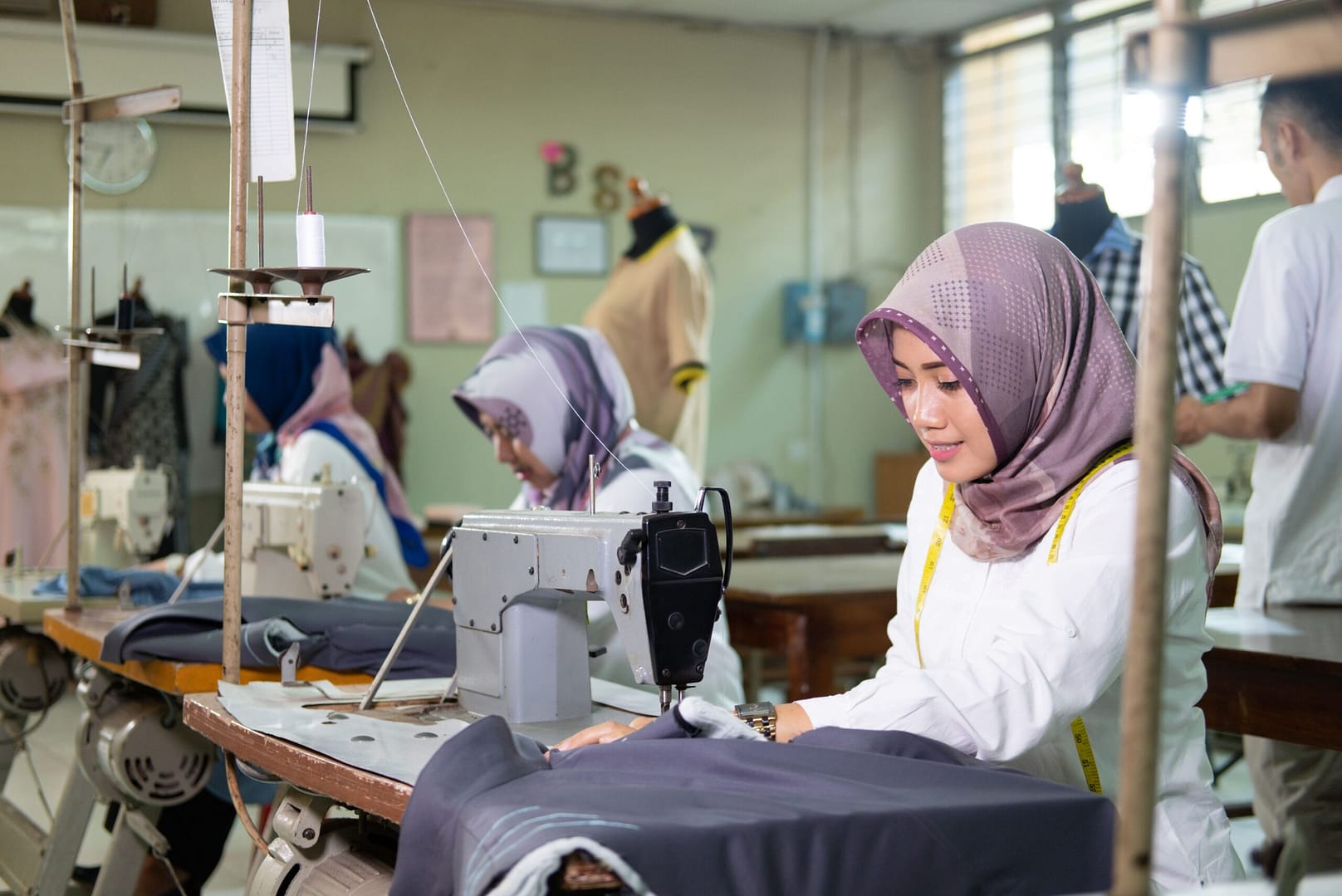
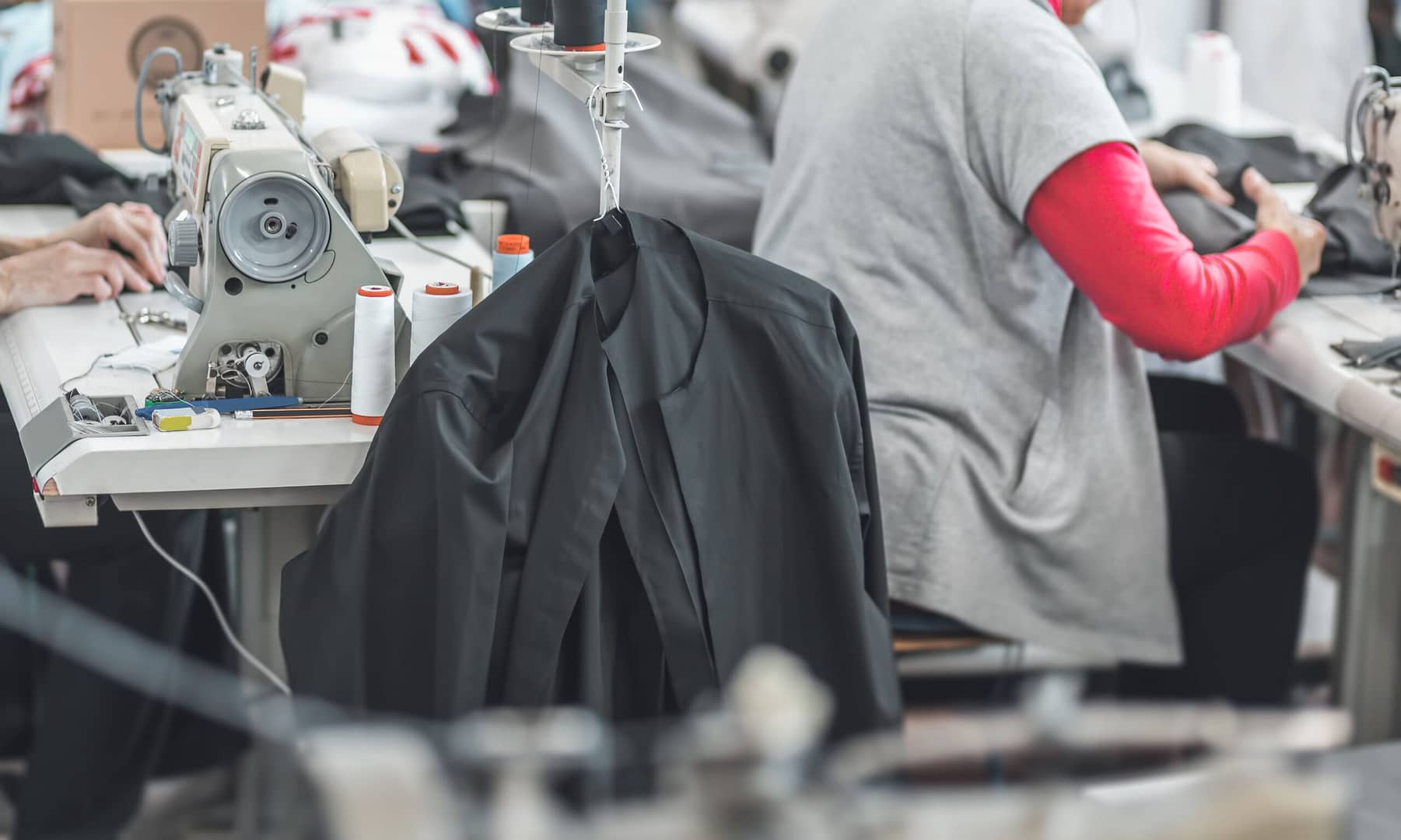
Many buyers assume labor is a fixed number, but inside the factory, we calculate labor cost from multiple dimensions. From my experience, hoodie labor cost is mainly affected by four core factors.
1. Process Difficulty Level Directly Determines Labor Rate
Not all sewing operations are equal.
In production, we classify sewing processes into different difficulty levels. The more complex the process, the more skilled the worker must be — and the higher the labor cost.
For example:
- C-level difficulty (basic operations)
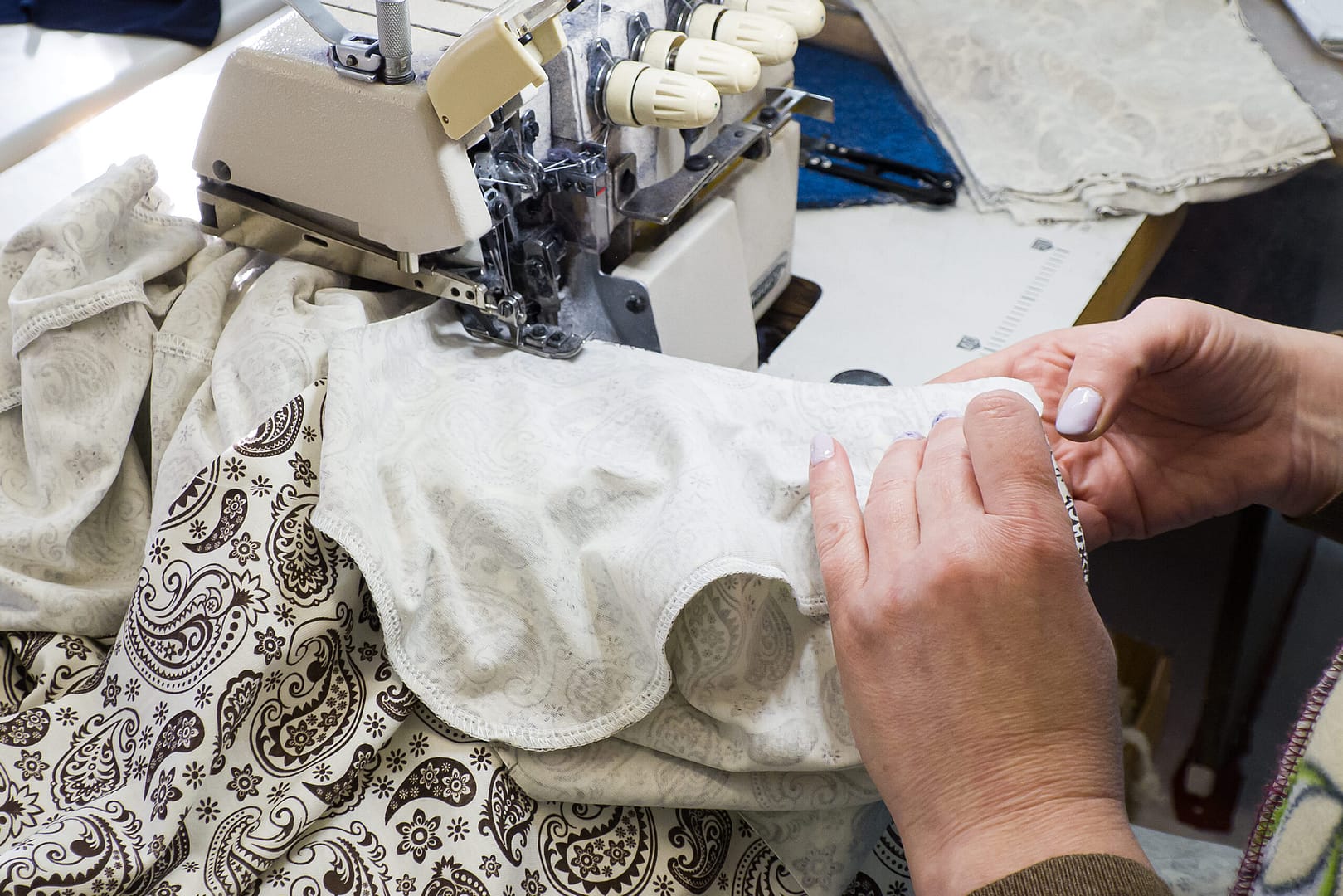
- 4-thread overlock joining cut panels
- Fast, standardized, easier to train
- Lower labor cost per second
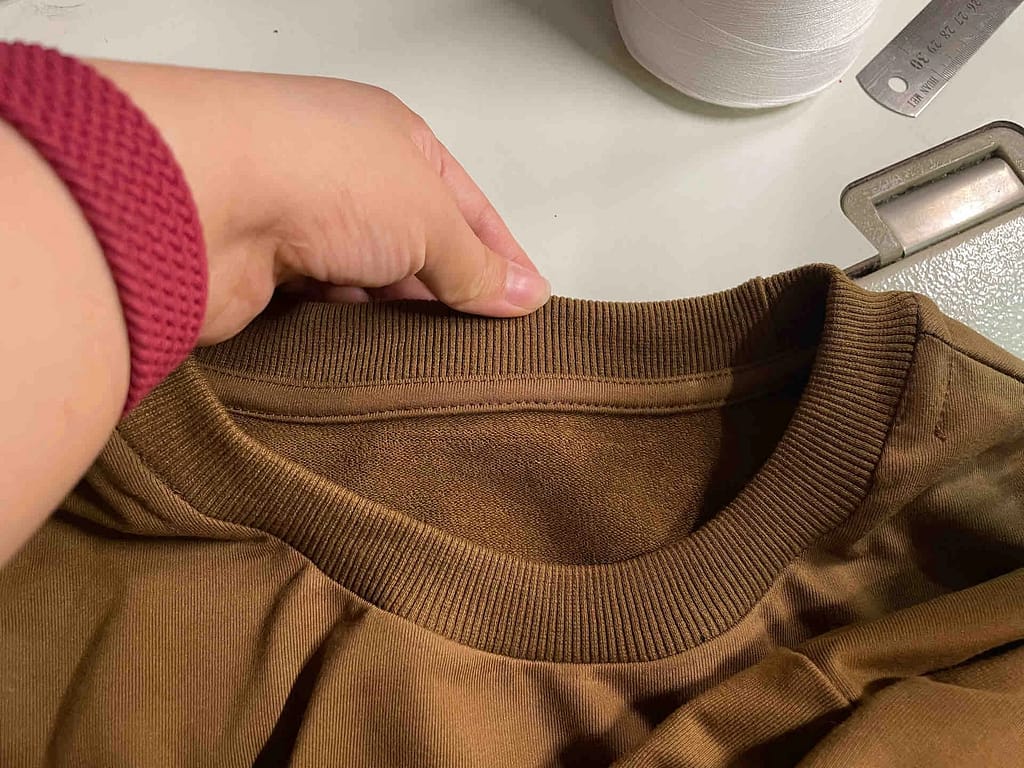
- A-level difficulty (high-skill operations)
- Single-needle topstitching on back neck tape
- Requires precision, consistency, and experience
- Slower speed, higher rejection risk
- Higher labor cost per second
This is why two hoodies that “look similar” can have very different labor costs — the difference is often hidden in small construction details.
2. Time per Operation Is the Core of Labor Cost Calculation
The second factor is time.
Labor cost is calculated based on:
How many seconds it takes to complete one operation × worker’s labor rate
For example:
- Sewing an adult hoodie takes longer than a kids’ hoodie
- Larger panels, thicker fabric, and rib parts all increase operation time
Even for the same process, time varies depending on:
- Garment size
- Fabric thickness
- Construction accuracy required
Inside the factory, every operation has a standard time benchmark.
3. Quality Requirements Change the Real Production Speed
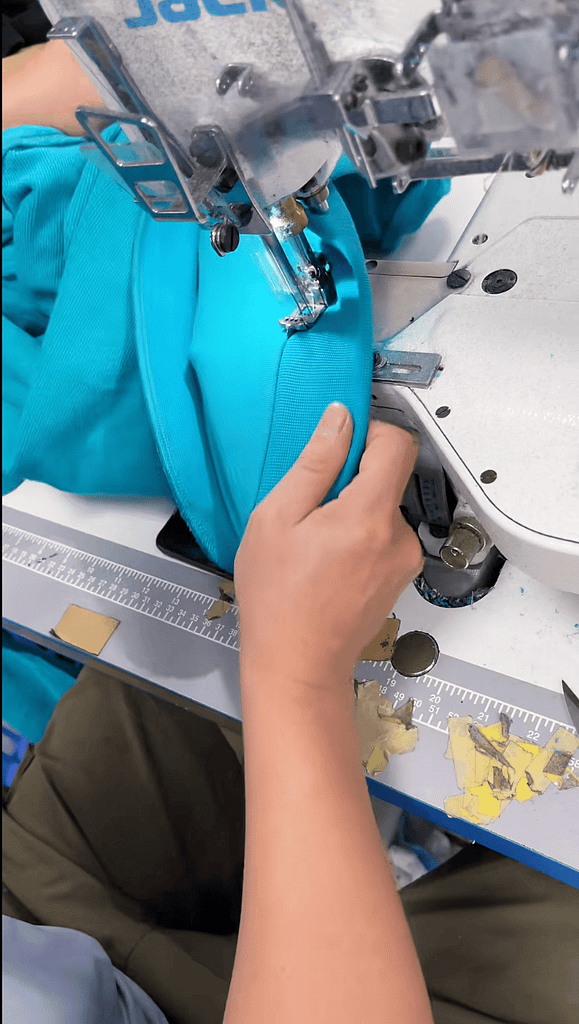
This is a factor many buyers don’t consider.
When quality requirements are higher:
- Workers must sew more carefully
- Speed is intentionally reduced
- More checking and adjustment is required
That means:
Same operation + higher quality = longer time = higher labor cost
For example, a hoodie made for:
- Fast fashion → higher speed, lower tolerance
- Premium brand → slower speed, tighter control
From the factory side, quality is not “free.” It always converts into labor time.
4. Worker Wages Vary by Region
Labor cost is also strongly influenced by geographic location. – Textile Worker Salary in China (2026)
Because of different living costs, average sewing worker wages vary significantly between regions in China.
Typical monthly sewing worker wages:
- Guangzhou: ~ USD 1,176.5
- Nanchang (inland city): ~ USD 735.3
This wage gap directly affects:
- Cost per second
- Cost per operation
- Final garment price
Real Labor Cost Examples (Same Hoodie, Different Operations & Cities)
To make this more concrete, here are real production-time comparisons for an adult hoodie:
In Guangzhou:
- Sewing bottom rib (hem rib)
- Time: ~ 23 seconds
- Labor cost: ~ USD 0.023
- Sewing back neck tape
- Time: ~ 141 seconds
- Labor cost: ~ USD 0.141
In Nanchang:
- Sewing bottom rib (hem rib)
- Time: ~ 23 seconds
- Labor cost: ~ USD 0.016
- Sewing back neck tape
- Time: ~ 141 seconds
- Labor cost: ~ USD 0.10
Same operation. Same time.
Different city — different labor cost outcome.
What This Means for Buyers
When a factory quote looks higher than expected, it’s usually because:
- Construction is more complex than it appears
- Quality requirements are higher
- Production is based in a higher-wage region
From my perspective, the labor cost in hoodie production depends on the complexity of the process, the quality requirements of the garment, and the average wage in the production area.
MOQ Directly Affects Your Unit Cost
Bottom line up front:
MOQ exists because small orders break the cost structure of fabric, labor efficiency, and processing setup.
Many buyers ask me why factories insist on a minimum order quantity. From a factory point of view, MOQ is not about being unfriendly to small brands — it’s about how upstream suppliers and production efficiency actually work.
Let me explain this from four practical angles.
1. Fabric Suppliers Sell by the Roll, Not by the Piece
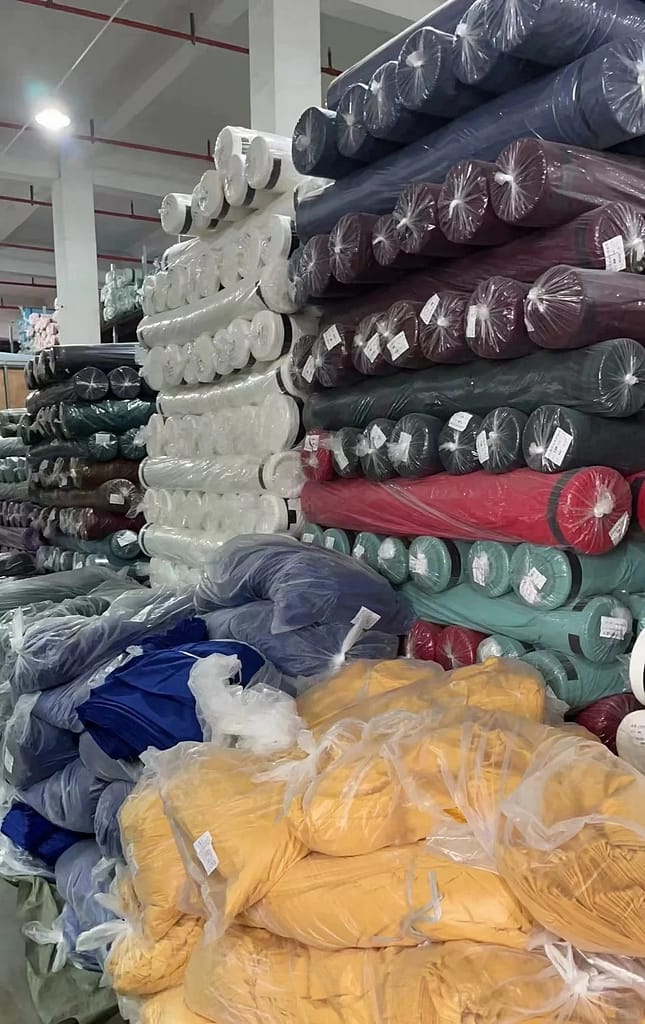
The biggest reason MOQ exists comes from fabric suppliers, not factories.
In most fabric markets:
- The minimum selling unit is one full fabric roll
- If we buy less than one roll, suppliers will:
- Cut the fabric
- Sell by meters
- Charge a much higher price per meter (often nearly double)
That means:
- A 200-piece order may use close to one roll → normal fabric price
- A 100-piece order may use half a roll → fabric price jumps sharply
This extra cost cannot be absorbed by the factory — it goes directly into your unit price.
2. Small Orders Destroy Labor Efficiency
Labor cost is not calculated per hoodie — it is calculated over the entire production cycle.
When workers start a new hoodie style:
- The first batch is always slower
- Workers need time to:
- Understand construction details
- Adjust sewing rhythm
- Avoid mistakes
As production continues:
- Efficiency increases
- Time per piece drops
- Labor cost per unit becomes reasonable
But if the order quantity is very small:
- Workers just finish learning the style
- And the order is already completed
- The average labor efficiency never improves
Result:
Low quantity = high average labor cost per hoodie
This is why factories struggle with very small runs, even if the design is simple.
3. Cutting, Pre-Shrinking, and Setup Costs Are Fixed
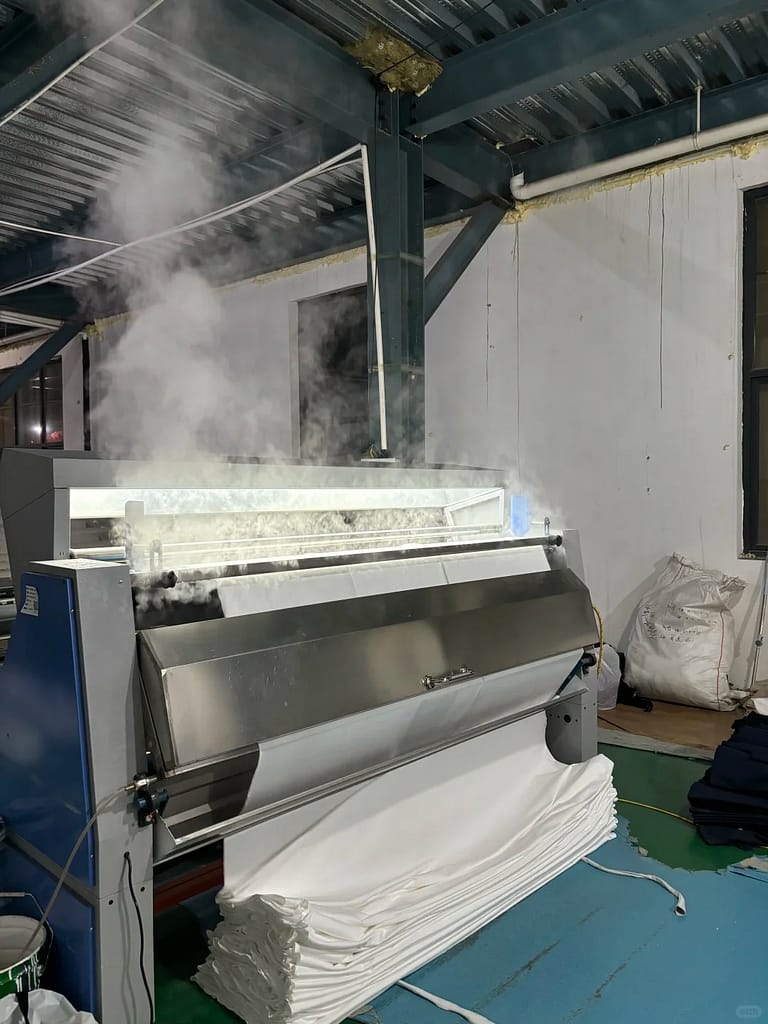
Some production steps have fixed costs, regardless of quantity:
- Fabric pre-shrinking
- Cutting table setup
- Marker making
- Machine adjustment
For example:
- These processes cost almost the same for 100 pcs or 200 pcs
- But when divided:
- 100 pcs → cost per unit is almost double
- 200 pcs → cost per unit becomes reasonable
From the factory’s view, small orders don’t reduce setup cost — they just concentrate it.
4. Printing and Embroidery Factories Also Have MOQs
MOQ pressure doesn’t stop at garment factories.
Most:
- Screen printing factories
- Embroidery factories
also have their own minimum quantity requirements.
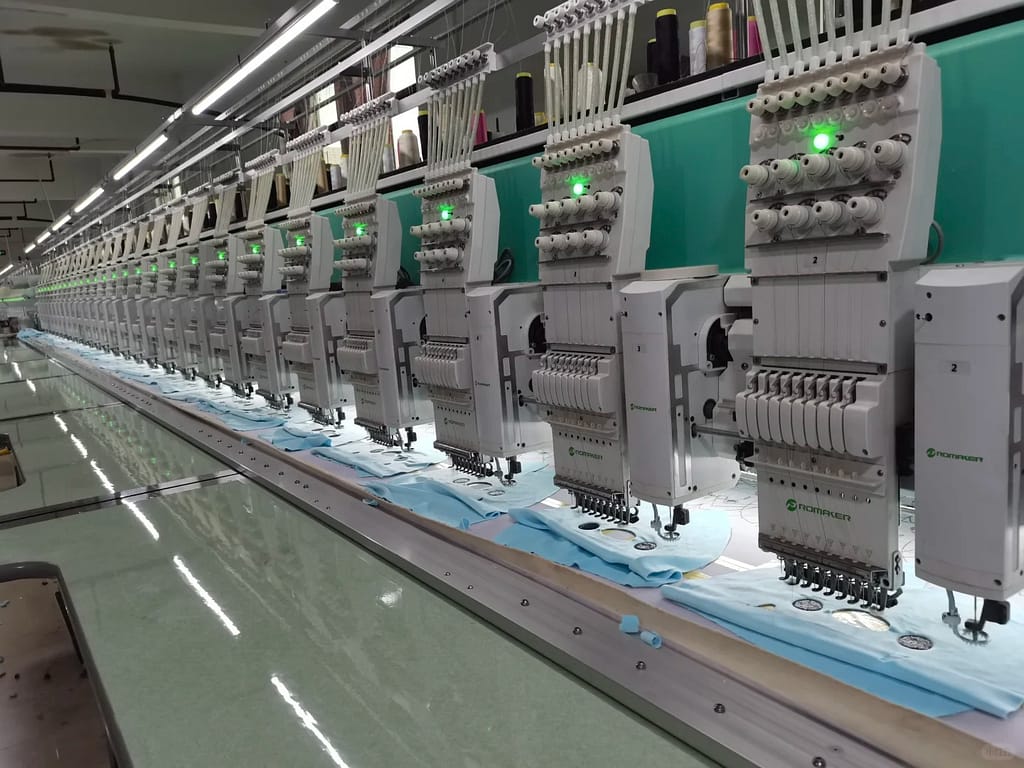
If the quantity is too small:
- They may refuse the order entirely
- Or charge very high setup fees
- Or delay production due to low priority
This is especially common for:
- Multi-color screen prints
- Puff prints
- High-stitch-count embroidery
That’s why very small hoodie orders often face unexpected surcharges later.
What MOQ Really Means for Buyers
MOQ is not a number chosen randomly.
It reflects:
- Fabric supplier rules
- Labor learning curves
- Fixed setup costs
- Third-party processing limitations
From my experience, MOQ protects cost stability for both sides.
For new brands:
- Small test orders are sometimes necessary
- But you should expect higher unit prices
- And treat the first order as a learning and validation stage, not a profit stage
Sampling and Development Costs Are Often Overlooked
Bottom line up front:
Sampling is not a formality — it’s a paid development process, and skipping or rushing it almost always costs more later.
From a factory perspective, samples are custom work, not leftovers from bulk production. Yet many buyers mentally separate “sample cost” from “production cost,” which leads to unrealistic expectations.
1. Why Hoodie Samples Cost Money
A proper hoodie sample usually includes:
- Pattern making from scratch (or pattern modification)
- Fabric sourcing in small quantities
- Manual cutting instead of bulk cutting
- Skilled sewing (not production-line speed)
- Initial printing or embroidery setup
That’s why sample fees typically fall in the range of USD 100–200, depending on:
- Fabric complexity
- Construction details
- Printing or embroidery requirements
This fee doesn’t just pay for the physical hoodie — it pays for engineering your product.
2. Pattern Making and Fit Development
Pattern making is one of the most undervalued steps.
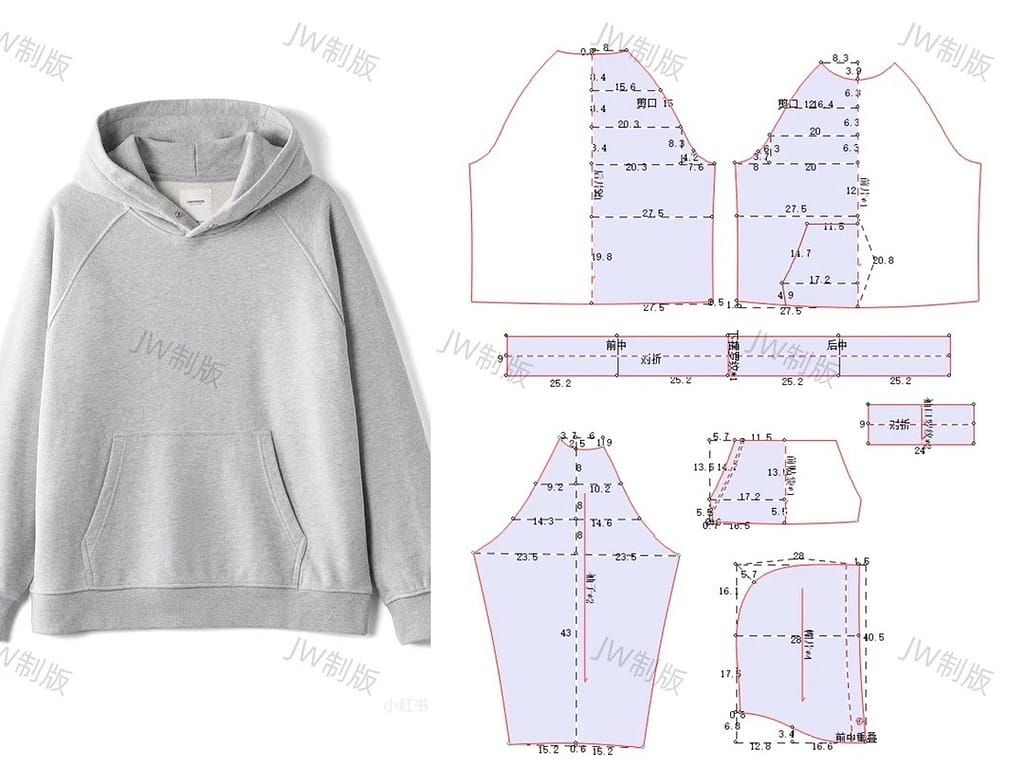
A hoodie pattern determines:
- Fit consistency across sizes
- Comfort when worn
- How the hoodie behaves after washing
If your hoodie is:
- Oversized
- Boxy
- Dropped-shoulder
- Cropped
…then the pattern work becomes even more important.
Every fit revision means:
- Pattern adjustment
- Re-cutting fabric
- Re-sewing the sample
This is why unclear feedback like “make it feel better” slows development and increases cost.
3. How Many Sample Rounds Are Reasonable?
In most professional developments:
- 1st sample: structure and general fit
- 2nd sample: adjustments and detail corrections
- 3rd sample (if needed): final confirmation
More than three rounds usually signals:
- Unclear brand direction
- Incomplete tech packs
- Changing decisions mid-process
Each additional round adds cost — not always as a new fee, but as delays that affect production scheduling.
4. The Hidden Cost of Rushed or Cheap Samples
Some buyers try to save money by:
- Skipping samples
- Accepting low-quality samples
- Rushing approval to meet a launch date
What happens next is predictable:
- Fit complaints after bulk production
- Printing alignment issues
- Shrinkage surprises
- Higher defect rates
At that stage, fixing mistakes costs far more than a proper sample ever would.
5. How to Reduce Development Cost (The Right Way)
From my experience, buyers who control sampling costs do a few things well:
- Provide clear references or original samples
- Confirm fabric direction early
- Give specific, measurable feedback
- Avoid changing design direction mid-sample
Sampling should feel like collaboration, not negotiation.
Factory Truth
A factory that takes sampling seriously is protecting your bulk order, not inflating costs.
When samples are right, bulk production becomes faster, cheaper, and far more predictable.
Printing, Branding, and Trims Add Up Fast
Bottom line up front:
Branding details don’t look expensive one by one, but together they can increase hoodie production cost by 10–30%.
From the buyer’s side, logos and trims feel like small additions. From the factory side, each one introduces extra materials, extra processes, and extra risk.
1. Printing Methods: Same Logo, Very Different Costs
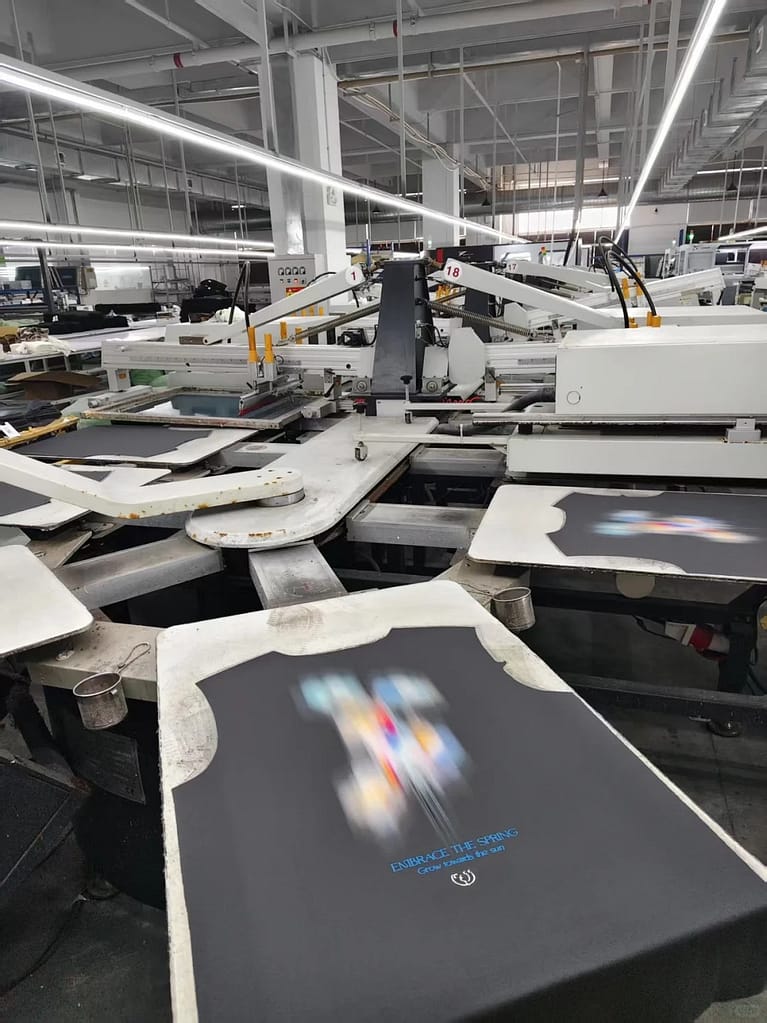
The printing method you choose has a direct impact on both unit cost and MOQ efficiency.
- Screen Printing
- Most cost-effective for bulk
- Setup cost per color
- Best for simple, bold graphics
- DTG (Direct-to-Garment)
- No screen setup
- Higher labor cost per piece
- Not ideal for 500+ pcs orders
- Puff Print / Specialty Prints
- Extra materials
- Slower production speed
- Higher defect risk if rushed
If your design features many colors and complex details, consider DTG printing. If your design features simple colors and lacks variations in light and dark, consider screen printing.
2. Embroidery: Stitch Count = Cost
Embroidery pricing is driven by stitch count, not logo size alone.
- Dense embroidery = longer machine time
- Multi-color logos increase thread changes
- Chest logos cost less than large back embroidery
A logo that looks “simple” on screen can still be expensive if:
- Lines are too dense
- The stitch count isn’t optimized
From a factory perspective, optimizing embroidery files can reduce cost without changing the look.
3. Labels and Tags: Small Items, Real Costs
Brand identity often includes:
- Woven neck labels
- Size labels
- Wash care labels
- Hang tags
Each one involves:
- Custom production
- MOQ from accessory suppliers
- Manual attachment during sewing
Labels and hangtags are a brand’s signature feature. Although it will increase the cost, we encourage you to use your own brand’s labels and hangtags.
4. Drawcords, Zippers, and Metal Trims
Hardware details feel premium — and they are — but they come with cost implications:
- Custom drawcords require dye matching
- Metal eyelets add pressing steps
- Zippers introduce sourcing and QC complexity
Even changing a drawcord thickness can:
- Affect supplier MOQ
- Delay production
- Increase per-piece cost
Initially, we suggest you choose from zippers and drawstrings that are already in stock on the market. Once your brand has grown, you can then consider customizing unique zippers and drawstrings.
5. Packaging Is Part of Production Cost
Packaging is often forgotten during costing:
- Standard polybags
- Size stickers
- Barcode labels
- Custom packaging or boxes
Custom packaging looks great for branding, but customized packaging bags typically have a minimum order quantity of 2,000 pieces, while biodegradable packaging bags have an even higher minimum order quantity of 3,000 pieces. Even if the brand is willing to pay this cost, it still needs to consider how to store the extra packaging bags.
The “Hidden Fees” Most Buyers Discover Too Late
Bottom line up front:
If you only look at the unit price on a quote, you are not seeing your real hoodie cost.
From the factory side, we see many disputes that start with:
“This wasn’t included in the original price.”
In reality, these costs exist in almost every hoodie order — they’re just not always understood upfront.
1. Fabric Shrinkage and Allowance
Fabric behaves differently after washing and finishing.
To maintain correct sizing, factories must:
- Allow extra fabric during cutting
- Account for shrinkage rates (often 3–7%)
This increases:
- Fabric consumption
- Cutting cost
- Waste percentage
If shrinkage isn’t discussed early, buyers may face:
- Size inconsistency
- Higher fabric reorders
- Delayed delivery
2. Printing and Embroidery Setup Charges
Even before production starts:
- Screens must be made for printing
- Embroidery files must be digitized
These are one-time setup costs, but they:
- Apply regardless of order size
- Hit small orders harder per piece
Some factories include them in unit pricing, others list them separately. The cost exists either way.
3. Color Matching and Lab Dips
If your hoodie color must match:
- Pantone codes
- Brand identity colors
Then lab dips are required:
- Multiple dye tests
- Time and chemical costs
- Fabric approval rounds
This process protects brand consistency, but it adds:
- Development time
- Hidden fabric expenses
4. Quality Control and Rework Risk
Quality control isn’t free.
If issues appear:
- Misprints
- Sewing defects
- Color inconsistencies
Factories must:
- Rework garments
- Replace defective pieces
- Add inspection labor
Responsible factories absorb some of this, but extensive rework always affects cost or lead time.
5. International Freight and Destination Charges
Many buyers underestimate logistics.
Beyond freight itself, there are:
- Export documentation
- Destination port charges
- Customs clearance fees
- Last-mile delivery
A “cheap hoodie” can quickly become expensive if logistics aren’t planned alongside production.
6. Payment Terms and Cash Flow Pressure
Standard B2B terms often look like:
- 50% deposit
- 50% balance before shipment
This affects:
- Cash flow planning
- Production scheduling
- Supplier priority
Buyers who delay payments often face:
- Production pauses
- Missed shipping windows
The Factory Reality
Hidden fees are rarely “hidden” intentionally. They exist because manufacturing is a process, not a product.
Buyers who ask detailed questions early:
- Avoid surprises
- Build stronger factory relationships
- Protect their profit margins
How to Control Hoodie Production Costs Without Killing Quality
Bottom line up front:
The brands that win on cost don’t chase the cheapest price — they make smarter production decisions earlier.
From my experience working with overseas hoodie brands, cost problems usually come from late changes and unclear priorities, not from factories overcharging.
1. Lock Fabric Early and Stick to It
Fabric changes after sampling are one of the fastest ways to increase cost.
Smart buyers:
- Confirm composition and GSM early
- Approve shrinkage standards before bulk
- Avoid switching fabrics to chase small savings
Once fabric is locked, everything downstream becomes more stable — including price.
2. Simplify Construction Without Changing the Look
You can reduce labor cost without hurting design by:
- Reducing unnecessary panel seams
- Choosing overlock instead of flatlock where possible
- Standardizing rib width across styles
Visually, the hoodie stays the same.
Operationally, production becomes faster and cheaper.
3. Choose Printing Methods Based on Quantity
Instead of asking “Which print looks best?”, ask:
- How many units am I ordering?
- Will I reorder this style?
For 200+ pcs:
- Screen printing usually wins on cost
- Embroidery should be optimized, not oversized
- Specialty prints should be used selectively
4. Be Strategic With Colors and Sizes
Early-stage brands save money by:
- Launching fewer colorways
- Using balanced size ratios
- Scaling winning styles instead of over-diversifying
Cost efficiency improves when factories repeat processes, not reinvent them.
5. Work With Factories That Communicate Clearly
The biggest cost saver isn’t negotiation — it’s communication.
Factories that:
- Explain cost drivers
- Flag risks early
- Ask detailed questions
…help buyers avoid expensive mistakes before they happen.
Final Thoughts: Hoodie Costs Come Down to Planning and Transparency
Hoodie production costs are not mysterious — but they are layered.
When you understand:
- How fabric drives cost
- Why labor follows complexity
- How MOQ spreads risk
- Where hidden fees appear
You stop reacting to quotes and start controlling your margins.
From a factory perspective, our best long-term partners are buyers who:
- Plan ahead
- Ask smart questions
- Build styles meant to scale
If you’re planning your next hoodie project and want a clear, factory-side cost breakdown, I’m always happy to discuss it — whether you’re testing your first 200 pieces or preparing for a larger run.
That conversation usually saves more money than any negotiation ever could. If you’re interested, you can also try our cost calculator, which can give you a rough estimate of the costs required for your project.