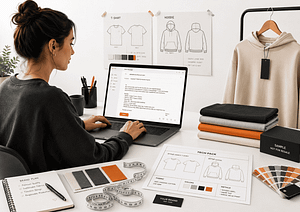
Clothing sample cost is an essential consideration when starting a fashion line. It helps you pick the right custom clothing manufacturer. This guide focuses on custom development, OEM/ODM processes, and cut-and-sew manufacturing. We break down the real steps of garment prototyping so you can set an accurate budget, spot hidden fees, and turn your digital designs into real products smoothly.
How much does a custom clothing sample cost?
A prototype’s price depends on your manufacturing method, design complexity, country of origin, and factory setup. There is no single universal price. Instead, pricing falls along a spectrum based on what the factory builds.
Real-world brand experiences on Reddit show how much prices vary. Simple decorated blank garments cost about $40–$50. Most custom cut-and-sew samples built from scratch land around $100–$300. Complex outerwear, multi-layer designs, and custom hardware can push prices to $200–$600 or more. Use these ranges as basic benchmarks. Your actual apparel sample cost will depend on your specific garment design and the manufacturer you hire.
Why clothing sample cost range from $50 to $300
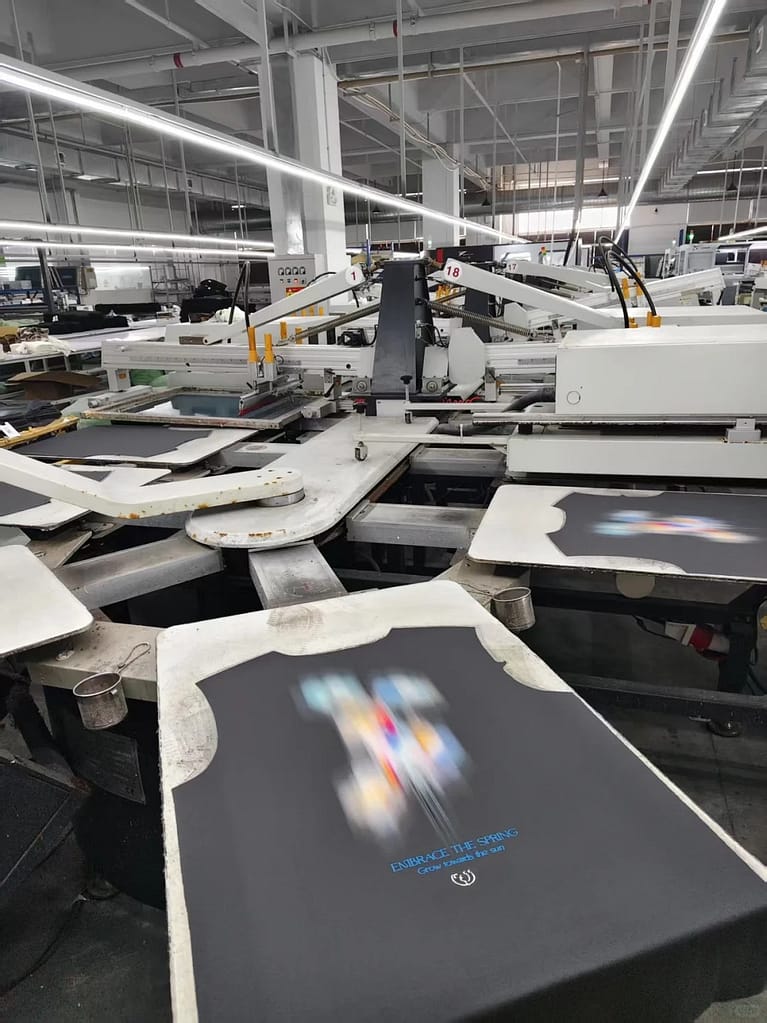
The big price difference comes down to the manufacturing method. Making a custom piece from scratch is totally different from printing on a pre-made blank shirt.
Decorating a blank shirt is simple. The physical shirt already exists. The wholesale factory already handled the pattern drafting, sizing, fabric sourcing, cutting, and sewing across thousands of units. Because of this, your sample fee only pays for the blank shirt and the graphic setup, like burning a screen or digitizing embroidery.
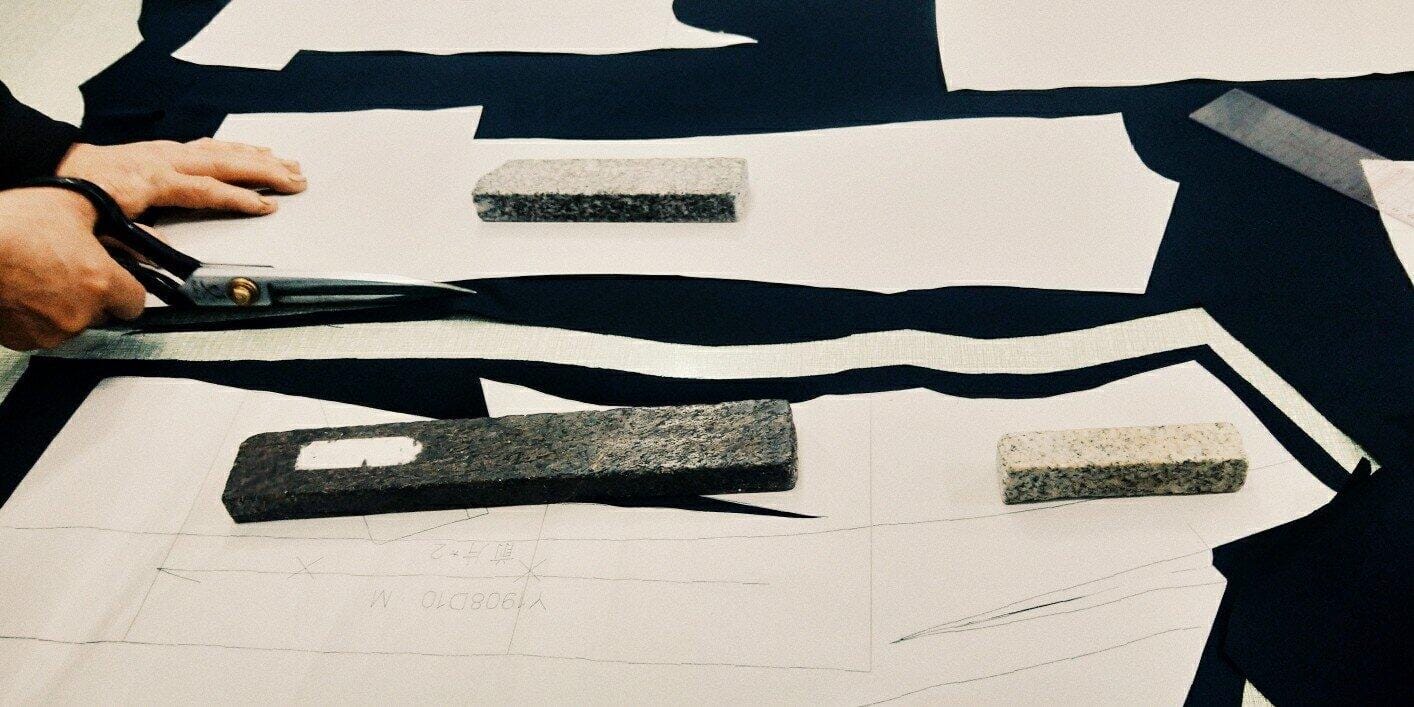
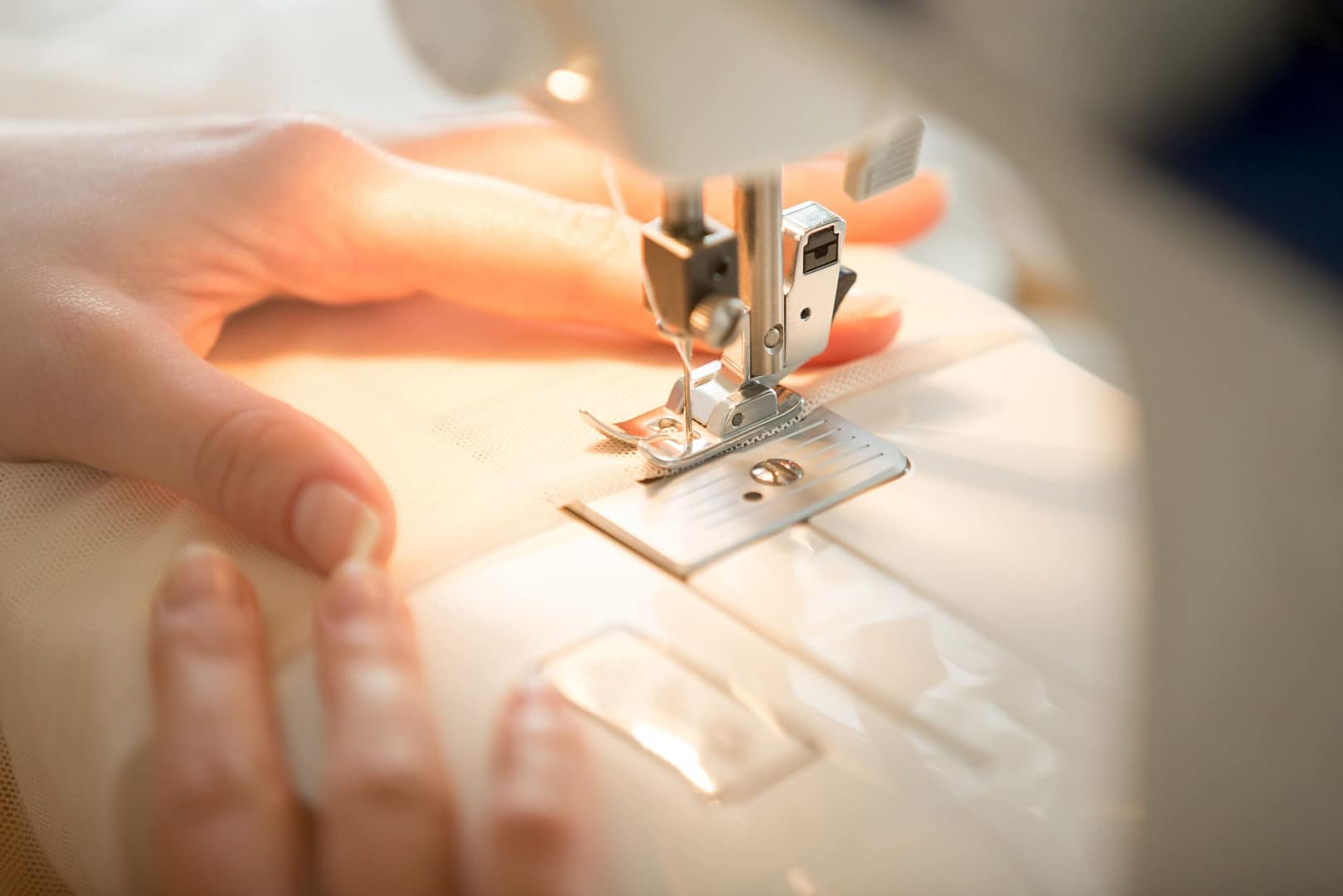
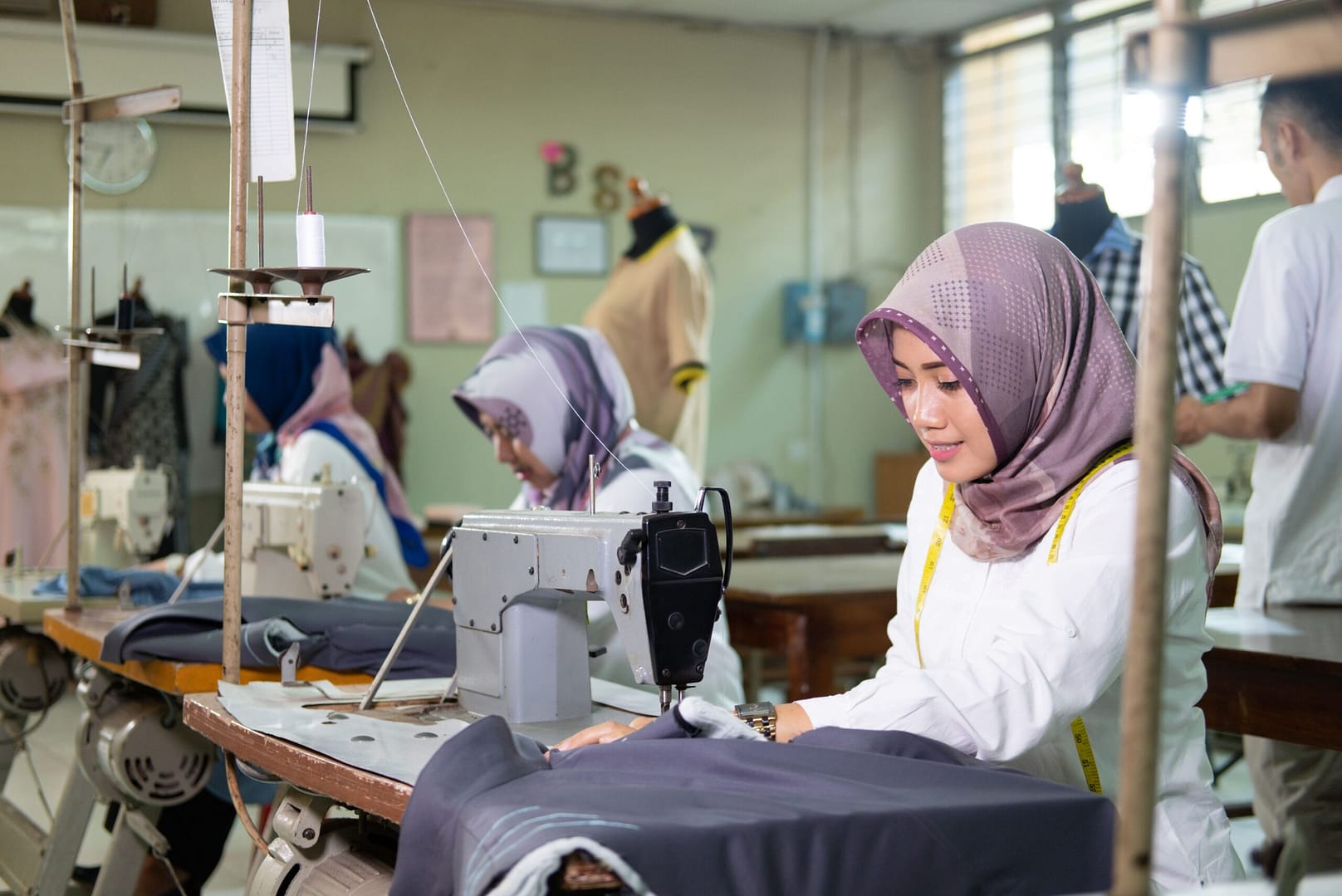
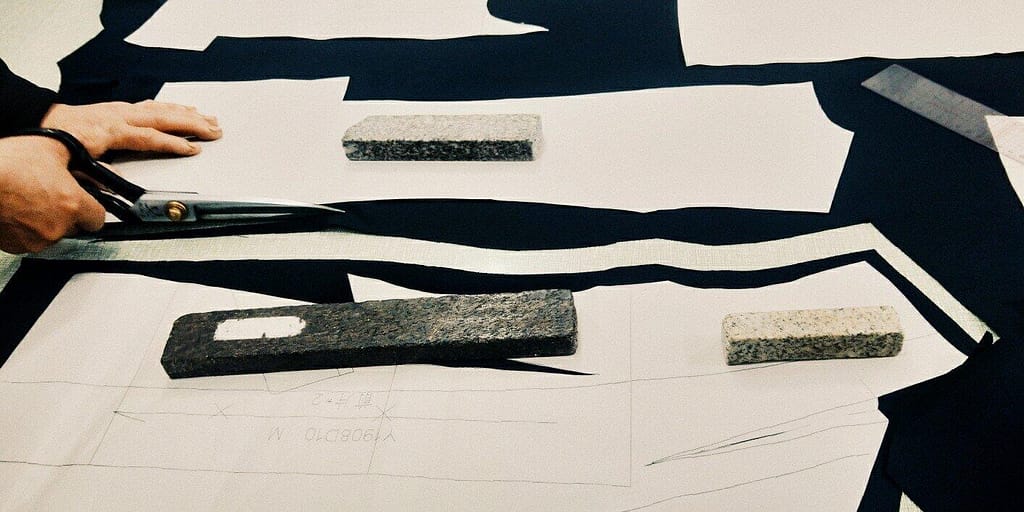
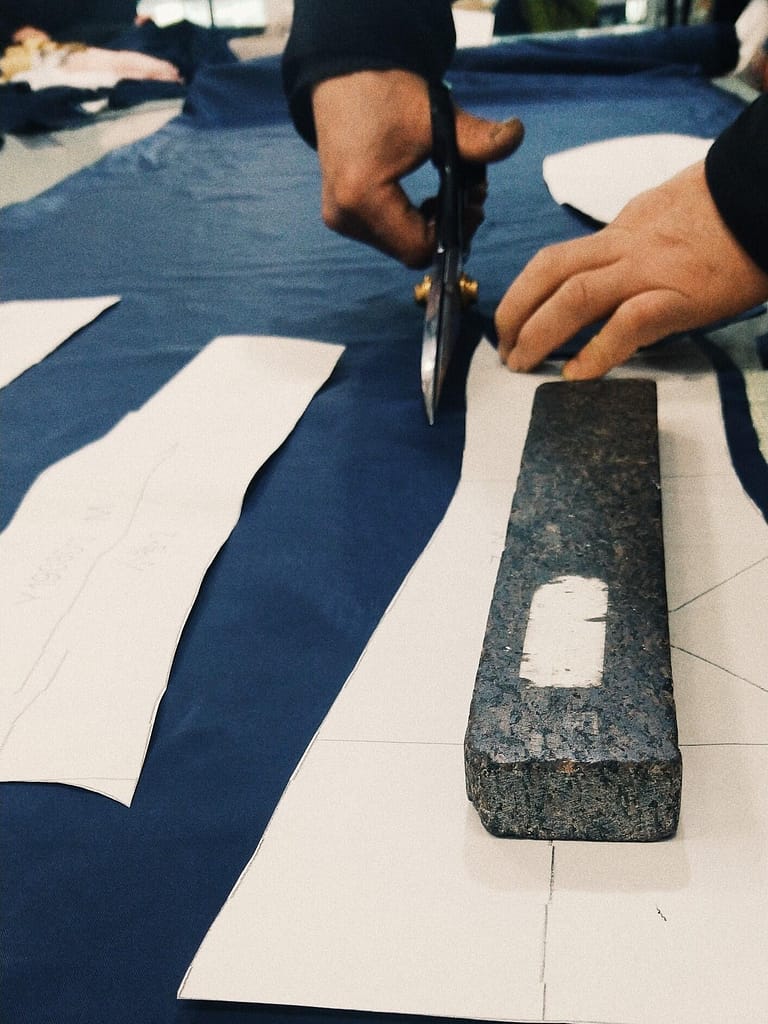
A custom cut-and-sew sample starts from zero. First, a technical designer drafts a custom paper or digital pattern from your tech pack. Next, the sourcing team buys small fabric cuts, often paying higher retail rates. Then, a cutter cuts every fabric panel by hand. Finally, a senior sample machinist sews the entire piece from start to finish without an assembly line. This skilled manual labor is why custom prototyping costs more.
What Type of Clothing Sample Are You Paying For?
To build an accurate budget, you must know which type of sample you need. If your design needs do not match the factory’s setup, your quotes will be off.
Decorating existing blanks is the cheapest option. You pick a finished garment from a catalog and add custom graphics or neck labels. The fit, fabric weight, and stitching stay fixed.
Custom cut-and-sew samples are standard for unique designs. You control the measurements, silhouette, fabric blend, and small details like seams and pockets. The factory makes a custom pattern just for you using standard fabrics and sewing tools.
| Metric / Item | Operating Value | Practical Meaning for Brand |
|---|---|---|
| T-Shirt Sample | $50–$80 | Baseline per-unit cost for basic tops. |
| Dress Sample | $80–$120 | Budget tier for mid-complexity garments. |
| Jacket / Outerwear Sample | $150–$200 | Expected unit cost for complex outerwear. |
| Round 1 Development | $150–$400 | Initial prototype cost per style. |
| Round 2 Revision | $100–$300 | Secondary sample cost after fit edits. |
| Woven Top Pattern Fee | $95 | Fixed Los Angeles pattern drafting rate. |
| Lined Jacket Pattern Fee | $180 | Fixed pattern cost for multi-layer styles. |
| Freelance Patternmaker | $50–$150/hr | Standard hourly rate in US and UK. |
| Factory All-In Sample | $50–$200 | Combined pattern and sample fee in Asia. |
| Total Startup Budget | $800–$1,500 | Projected pre-production spend across two rounds. |
| Fabric Consumption (R1) | 2–3 yards | Required yardage for initial prototype. |
| Fabric Consumption (R2) | 1.5–2 yards | Required yardage for revised prototype. |
| Sample Turnaround | 7–14 days | Manufacturing lead time per round. |
| Quality Standard | AQL 2.5 | Mandatory inspection threshold for contracts. |
Complex samples require specialized supply chains. These include custom-dyed fabrics, knitwear, outerwear, heavy washes, embroidery, and custom hardware. If your fabric needs a custom color, the factory makes lab dips first. If your jacket needs custom zipper pulls, you must pay to create a metal mold. Heavy enzyme or acid washes require running industrial machines for a single piece. Knitwear requires custom machine programming rather than simple fabric cutting. Every extra process adds setup fees to your baseline cut and sew sample cost.
What Is Included in a Clothing Sample Fee?
A professional clothing manufacturer sample fee covers labor, materials, and machine time. Here is where your money goes.
| Cost Item | Description | Impact on Total Cost |
|---|---|---|
| Pattern Making | Drafting the initial blueprint from a tech pack. For freelance development, US/UK freelance pattern maker fees run $50–$150/hr as of 2026. | High |
| Technical Development | Digitizing the pattern, creating a marker for cutting, and establishing the sequence of operations for sewing. | Medium |
| Fabric Sourcing | The labor time spent finding mills that stock the requested material composition and weight. | Low |
| Fabric Minimums | Purchasing sample yardage. First round samples typically require 2–3 yards of fabric, which mills often sell at a premium surcharge compared to bulk pricing. | Medium |
| Trims and Hardware | Sourcing zippers, buttons, drawstrings, and elastics. Custom molds for branded hardware carry independent setup fees. | Variable |
| Manual Cutting | Hand-cutting individual panels with scissors or rotary blades instead of using industrial vertical knives on stacked fabric plies. | Medium |
| Sample Sewing | A highly skilled sample room machinist sewing the entire garment end-to-end, interpreting construction details for the first time. | High |
| Print and Embroidery | Digitizing files, burning screens, mixing custom ink pantones, and running machinery for a single strike-off. | Medium |
| Washing and Finishing | Running industrial washing machines, garment dyeing, steaming, and pressing the final unit. | Medium |
Estimated Sample Costs by Garment Type
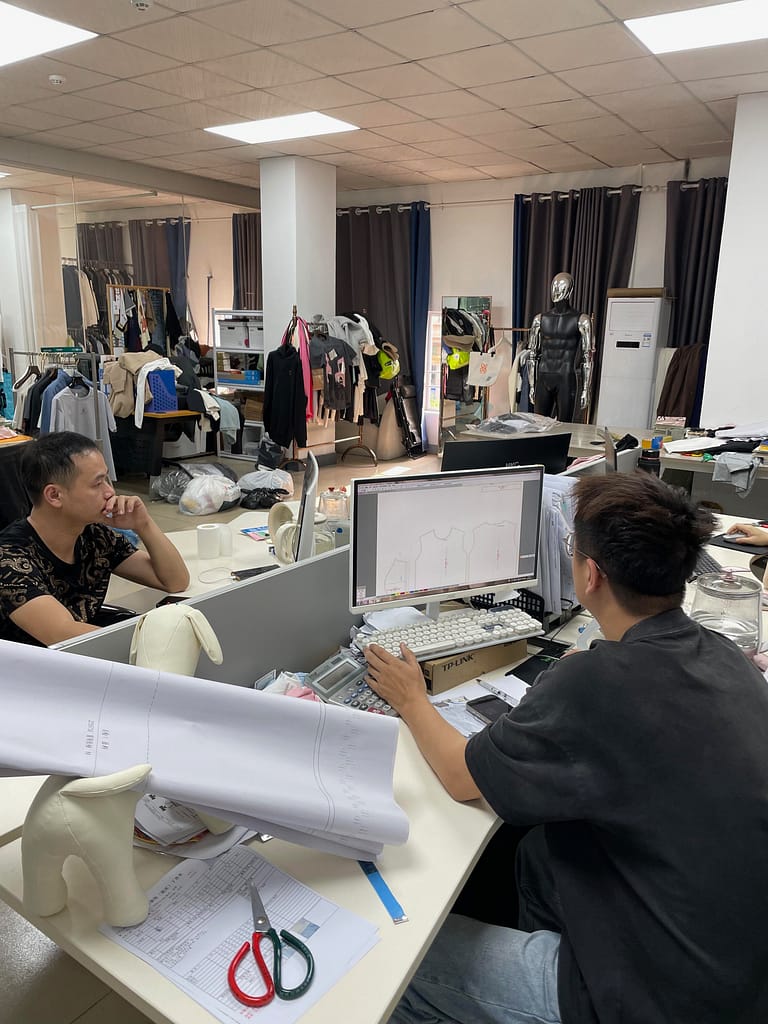
Different garments need different construction steps, which sets their base cost. The numbers below show typical estimates for custom cut-and-sew prototypes.
T-shirts
Basic T-shirt samples usually cost $50–$80 when made with standard cotton jersey and a crewneck. They have few pattern pieces, so they sew together quickly.
Fleece items cost more. They use heavy fabric, ribbed cuffs, drawstrings, metal eyelets, and detailed pockets, which takes extra work.
Performance clothing needs four-way stretch fabric and flatlock stitching to stop skin chafing. Sewing high-spandex fabric takes extra care and steady machine tension.
Dresses
Dress samples generally range from $80–$120. Linings, hidden zippers, pleats, and slippery fabrics like silk or chiffon increase the price because they take longer to cut and sew.
- Pattern-making fees for a simple woven top run $95, providing a clear starting point for upper-body garment drafting.
- Freelance pattern makers charge $50–$150/hr across the US and UK, which sets the baseline hourly rate for custom blueprint development.
- Sourcing full samples from factories in China or Vietnam costs $100–$200 including pattern fees, offering an all-inclusive overseas development benchmark.
- Startup brands should budget $800–$1,500 in total across two prototype iterations before issuing final production approval.
- Fabric allocation requires 2–3 yards of material for the first iteration and 1.5–2 yards for the second iteration.
- Second-round modifications consistently stem from fit adjustments (60%), fabric changes (25%), and construction revisions (15%).
- Production timelines require 7–14 days for sample manufacturing alongside 3–7 days for shipping transit.
Knitwear and Jackets
Jackets and outerwear samples typically cost $150–$200. These items are complex. They combine shell fabrics, linings, internal padding, multiple pockets, and heavy-duty zippers. True knitwear requires programming computerized knitting machines to shape panels from raw yarn, which adds technical setup time.
Why Does a Custom Sample Cost More Than Bulk Production?
Founders often ask why a single custom sample costs $150–$200 when their bulk production goal is $15 per unit. The reason comes down to shared setup costs and the difference between sample rooms and assembly lines.
In bulk production, fixed setup costs spread across thousands of items. If pattern grading and cutting layout cost a fixed amount of labor, dividing that by 1,000 units adds only pennies to each piece. With a sample, that entire cost sits on one single garment.
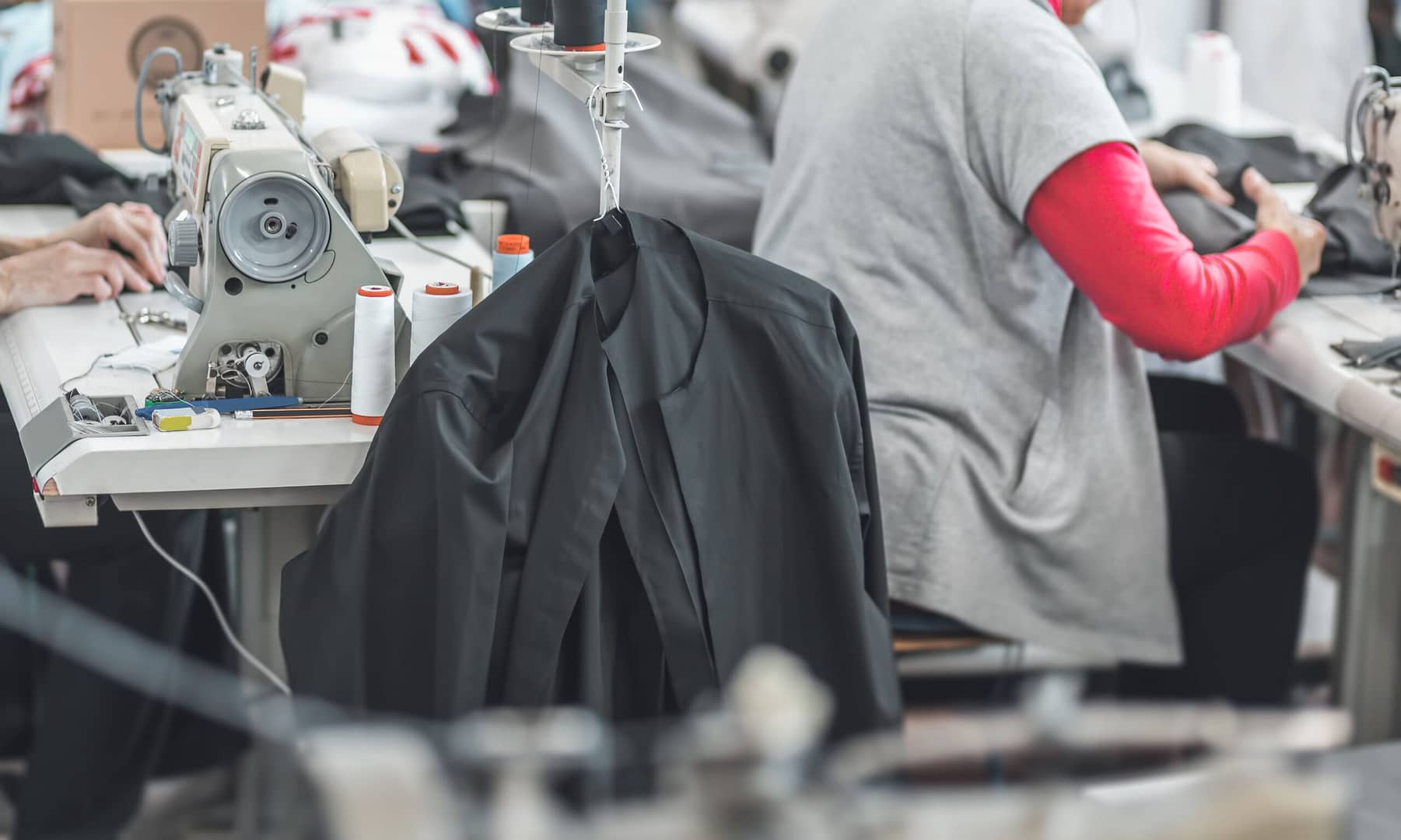
Assembly lines are also built for pure speed. One worker sews the same shoulder seam hundreds of times a day. A sample, however, is built by one master technician. That expert must read your tech pack, tune the machines, and sew every single part from collar to hem.
Real numbers show these upfront costs. As of 2026, drafting a simple woven top pattern in Los Angeles costs about $95, while a lined jacket pattern costs $180. Factories charge to cover this expert labor. In domestic hubs, a round one sample fee per style runs $150–$400 as of 2026. In overseas hubs like China or Vietnam, factory-inclusive sample totals typically cost $50–$200 as of 2026. This fee pays for the engineering needed to keep bulk production smooth and error-free.
What makes clothing samples more expensive?

Certain custom design choices force factories to alter their standard routines, which raises your costs right away.
Custom fabric development is a main factor. If you need a custom dyed color or a special yarn blend instead of stock fabric, the mill must create lab dips and weave custom test yards. This requires minimum orders and chemical testing.
Custom hardware works the same way. Factories stock plain zippers and buttons. If you want a custom pull tab with your logo, you must pay a metal supplier to mill a unique metal mold.
Complex washes also increase your prototyping budget. Getting an exact vintage fade or acid wash takes chemical testing and large industrial machines. Running one pair of jeans through an enzyme wash uses a lot of water and energy, and the factory adds those costs to your bill.
How Much Does a Revision Sample Cost?
Prototyping takes time. A fit sample tests your measurements, and you will almost certainly make tweaks before approving a final production piece. Revision samples cost money because the factory must repeat the physical labor.
If you shorten a sleeve by half an inch, the factory cannot just alter the old sample. The designer must update the digital pattern, the cutter must cut 1.5–2 yards of new fabric, and the machinist must sew a fresh garment.
As of 2026, a round two sample per style costs $100–$300. The type of change sets the final price. As of 2026, about 60% of second-round changes are for fit, 25% are for fabric, and 15% are for construction. Fit and fabric tweaks only require re-cutting and sewing. Changing the construction, like adding a new pocket, means redrafting patterns and pushes costs back to round one rates. Across the whole process, startups should expect a total budget of $800–$1,500 across two rounds before final approval as of 2026.
Does International Sample Shipping Cost Extra?
Sample quotes from factories almost never cover international shipping. You must budget for shipping as a separate line item.
Couriers like DHL, FedEx, and UPS charge by package volume. A light but puffy jacket costs much more to ship than a flat, dense T-shirt. Shipping from overseas hubs to your office usually takes 3–7 days.
You must also consider import duties when calculating your landed costs. Customs fees apply to commercial shipments. To give you an idea of the regulatory landscape, the US apparel import average tariff rate stands at 35.1% as of December 2025, and the US apparel import unit price averaged $3.14/SME in 2025. Single samples often pass below duty limits, but larger test runs and bulk orders will face these tariffs, so plan your budget carefully.
How Long Does Clothing Sampling Take?
Good planning prevents launch delays. Your garment prototype cost includes both money and time. Sewing takes 7–14 days once materials arrive, but total development takes longer.
| Development Stage | Expected Time | Key Milestones |
|---|---|---|
| Tech Pack Review | 2 to 4 days | Factory evaluates specifications, calculates consumption, and issues a formal quote. |
| Material Sourcing | 5 to 10 days | Sourcing teams locate available stock fabrics and standard trims matching the tech pack. |
| Pattern Drafting | 3 to 5 days | Technical designers create the digital or paper pattern and grade the base size. |
| Cut and Sew | 7 to 14 days | Manual cutting, machine setup, sewing, and initial factory quality control. |
| Transit | 3 to 7 days | International courier delivery from the factory to the brand’s office. |
Custom fabric colors, hardware molds, and wash testing can add three to four weeks to your material sourcing step.
Are Clothing Sample Fees Refundable or Credited Toward Bulk Orders?
New founders often wonder if a clothing manufacturer sample fee is a sunk cost or a deposit. Every factory handles this differently, so never assume sample credits are standard.
Some factories credit the sample fee toward your bulk invoice if you meet their minimum order quantity. This helps them win your business. Other specialized factories never credit sample fees. They treat the sample room as its own business that needs dedicated labor, equipment, and rent. Treat your clothing prototype cost as an independent development investment rather than a down payment on inventory.
How to Compare Sample Quotes From Different Manufacturers
Factories often send very different quotes for the exact same tech pack. To pick the best partner, look beyond the lowest price.
A cheap quote does not always mean poor work or a scam. The factory might already have matching in-house patterns, use cheaper stock fabric, simplify inner seams, or run their sample room at a loss to win bulk contracts.
A high quote does not prove a factory is better, either. High fees can mean high overhead, slow sourcing, or a factory that prefers massive bulk runs and charges extra for small test orders.
Before ordering bulk inventory, check the sample’s build quality, how clearly the team communicates, their technical skills, and how they handle revisions. Prototyping tests how well you and the factory work together.
How Can Brands Reduce Sampling Costs?
Prototyping costs money, but smart habits help protect your budget and prevent extra revision rounds.
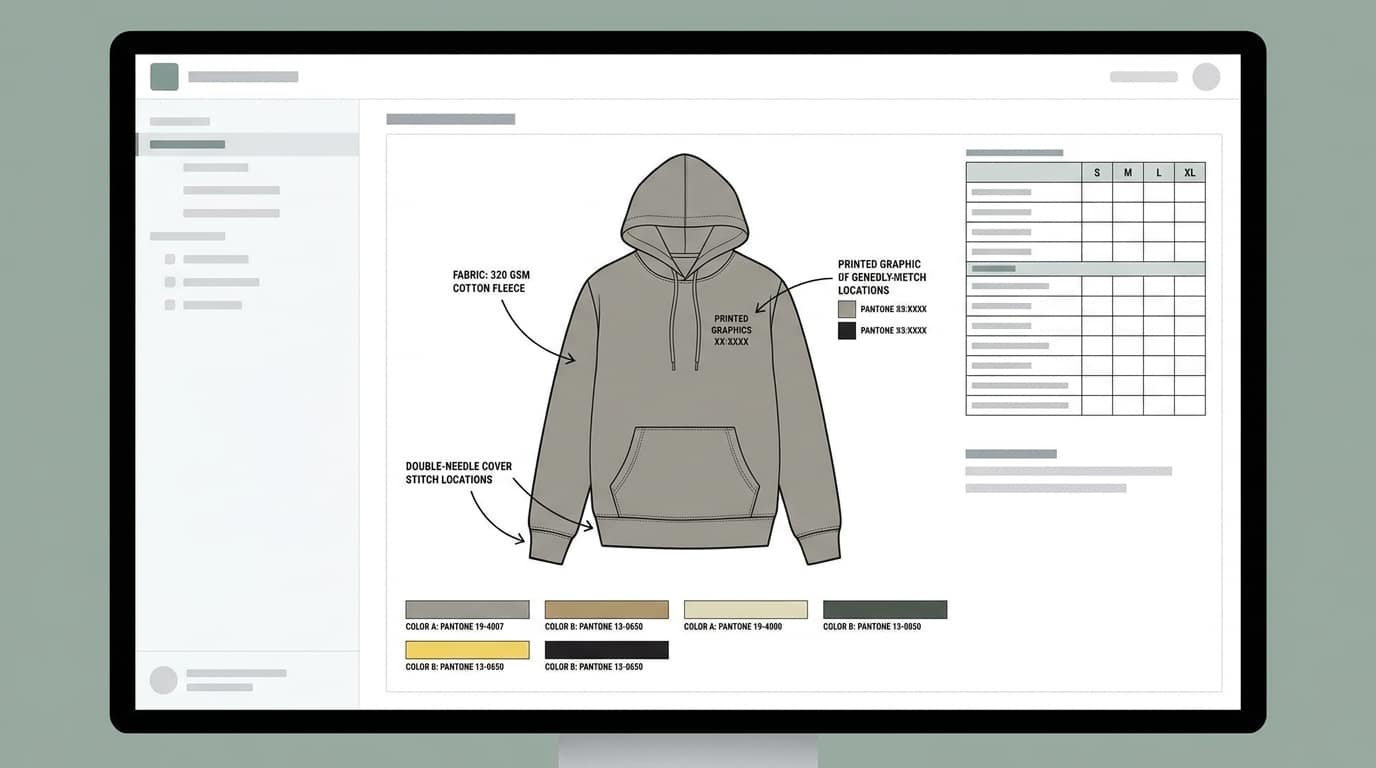
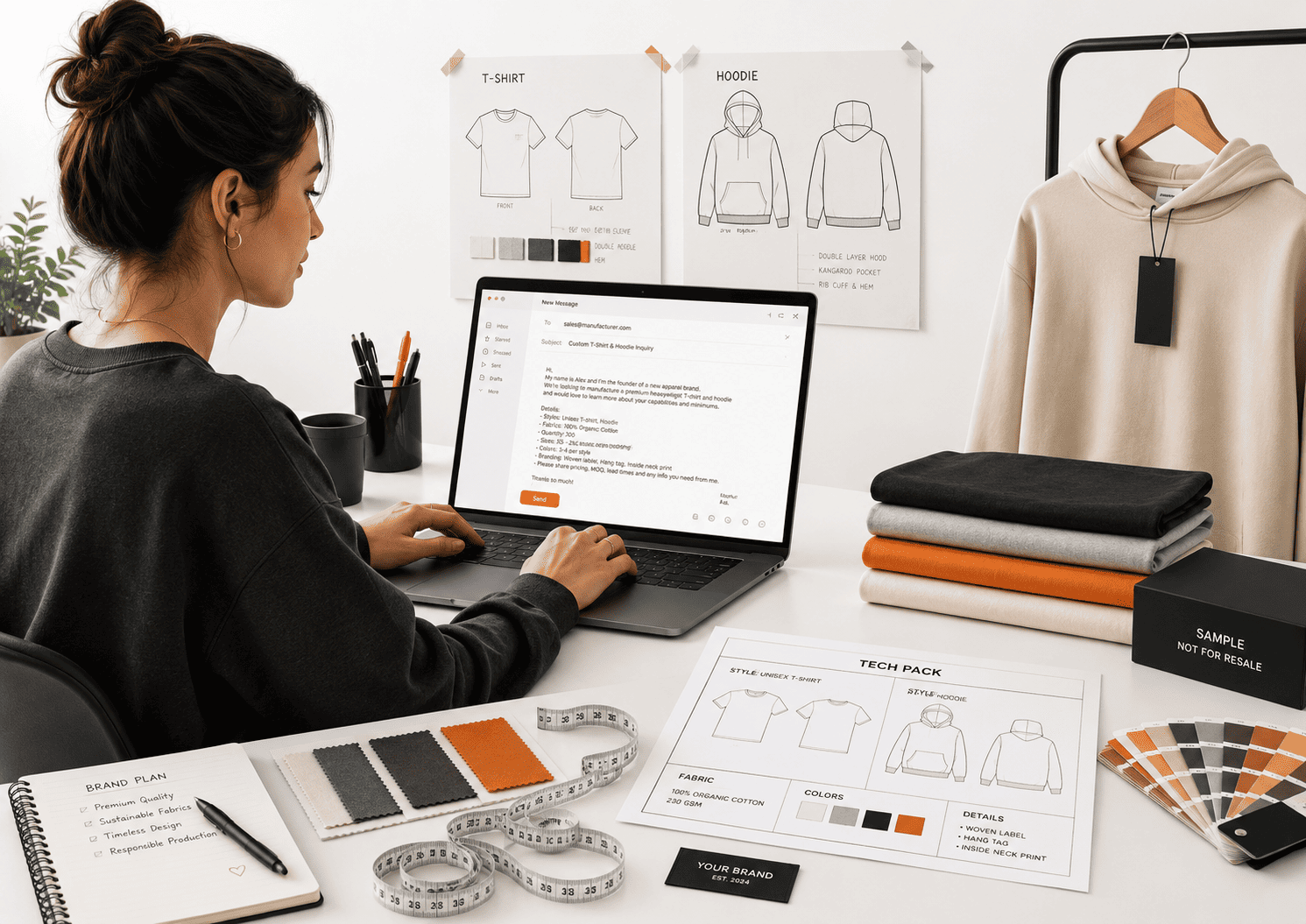
Write a clear, detailed tech pack. Factories charge for the time they spend guessing. Include exact measurements, seam callouts, stitch styles, and photos to remove all confusion.
Set quality rules from day one. State in your paperwork that production must meet the AQL 2.5 standard. Clear quality rules ensure the factory meets your technical standards right from the first pattern.
Use stock fabrics for your first fit test. If you just want to check the fit and drape, let the factory use standard fabric with a similar weight and stretch. Save custom fabric orders for your final pre-production sample.
Combine your shipments. If you are developing multiple styles at once, ask the factory to ship all completed samples in one box. One package is much cheaper than paying base courier rates for five separate boxes.
FAQ
Why are clothing samples so expensive?
Samples are expensive because one single garment must cover all pattern drafting, grading, digitizing, and machine setup costs. Senior sample technicians also cut and sew the piece by hand instead of running it through a fast assembly line.
Do clothing manufacturers charge for samples?
Yes, reliable custom factories charge for prototypes. Development takes skilled labor, raw materials, and dedicated machine time. Suppliers offering free samples are usually wholesale vendors selling basic blanks with no custom development.
Are clothing sample fees refundable?
Refund rules depend on the factory. Some suppliers credit the sample fee toward your final invoice if you meet their bulk minimum order quantities. Many other factories treat sampling as a separate paid service with no refunds. Confirm this policy in writing before paying.
How much does a custom T-shirt sample cost?
A custom cut-and-sew T-shirt with a custom pattern and specific fabric weight usually costs $30 to $50. Custom fabric dyeing, heavy washes, or extra panels will raise the price to cover the added setup time.
Why does a sample cost more than bulk production?
Bulk manufacturing spreads fixed costs across large volumes. Digitizing a pattern costs the same whether a factory cuts one shirt or one thousand. In bulk runs, that setup cost is split among every unit, but a single sample must pay for all the technical labor on its own.
How many clothing samples do I need before production?
Most brands need two to three samples per style before starting bulk production. The first sample checks the pattern and fit. The second sample confirms your changes and tests the real bulk fabric. The final pre-production sample serves as the approved quality benchmark for the mass production run.